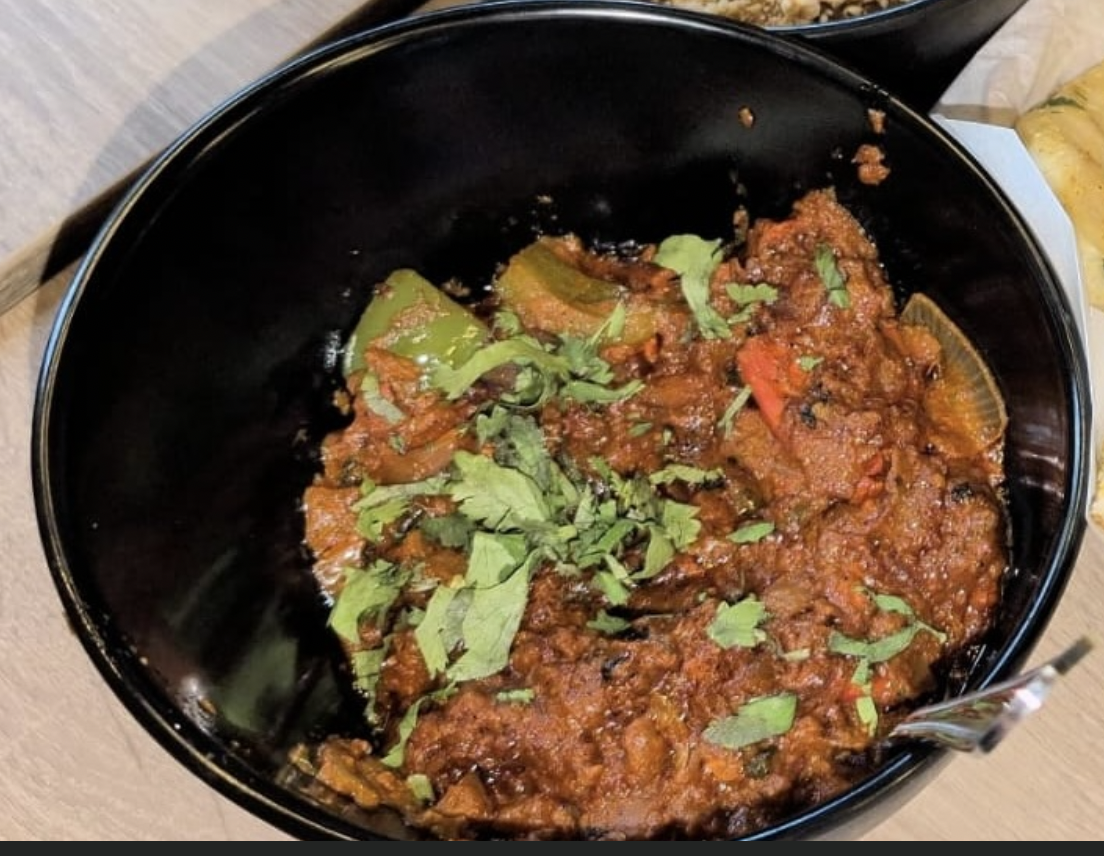
Rice is one of the most versatile ingredients in the world. From India to China to the Middle East, nearly every cuisine has its signature rice dish. But three of the most popular — biryani, pulao, and fried rice — are often confused with one another.
They all feature rice. They all include spices or seasonings. But they are fundamentally different dishes, with different cooking methods, flavour profiles, and textures. Understanding the difference helps you order with confidence and appreciate each dish for what it is.
At Biryani Flames in Toronto, we specialize in biryani — 55 unique varieties, each cooked in pure desi ghee with premium basmati rice and the traditional dum method. Here is how biryani, pulao, and fried rice compare.
Biryani: The Layered Masterpiece
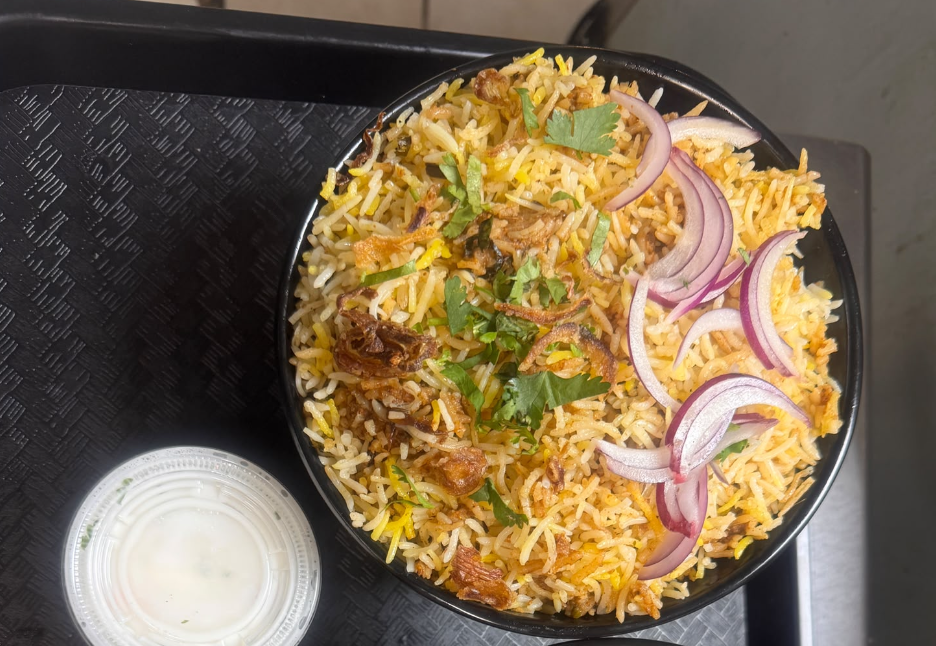
Biryani is the most complex of the three. It is a layered rice dish where the rice and the main ingredient — meat, seafood, or vegetables — are prepared separately, then layered together in a sealed pot and slow-cooked over low heat using the dum method.
The key characteristics of biryani:
- Layered cooking — rice and protein are cooked separately, then layered and finished together. - Sealed pot (dum) — the pot is sealed to trap steam, locking in aromas and flavours. - Separate, fluffy grains — the gentle steam cooking keeps each grain distinct. - Complex, layered flavour — each spoonful can taste different, with distinct layers of spice, protein, and aromatics. - Longer cooking time — the dum method requires patience and careful heat control.
Biryani is the most labour-intensive and flavourful of the three. It is a dish designed for celebration and special meals. Read our full comparison of biryani vs pulao for more detail on those two.
Pulao: The Simpler Cousin
Pulao (also called pilaf) is also a spiced rice dish, but the approach is simpler. In pulao, the rice and the main ingredients are cooked together in a single pot from the start.
The key characteristics of pulao:
- Single-pot cooking — rice and protein cook together in the same liquid. - Uniform seasoning — the flavours are evenly distributed throughout. - Softer rice texture — grains tend to be softer and more integrated than in biryani. - Shorter cooking time — pulao is quicker and more straightforward. - Lighter flavour — aromatic but less complex than biryani.
Pulao is delicious and a staple of everyday cooking across India and Central Asia. It is lighter and quicker than biryani, making it a popular choice for casual meals. But it lacks the layered complexity that defines biryani.
Fried Rice: The Quick Stir-Fry
Fried rice is a completely different tradition, originating in Chinese cuisine. It is made by stir-frying cooked, cooled rice with vegetables, protein, soy sauce, and aromatics over high heat in a wok.
The key characteristics of fried rice:
- Stir-fried — cooked rice is fried over high heat with oil and seasonings. - Day-old rice — traditionally made with leftover, cooled rice for the best texture. - Soy sauce base — seasoned with soy sauce, giving it a savoury, umami flavour. - Quick cooking — fried rice is fast, cooked in minutes over high heat. - Distinct, separate grains — the frying process keeps grains separate and slightly chewy.
Fried rice is a quick, practical, and delicious dish. It is a staple of Chinese and Indo-Chinese cuisine. At Biryani Flames, our Indo-Chinese fusion biryanis — like Dragon Fire Chicken Biryani — borrow some of fried rice's bold, tangy flavours while keeping the biryani's dum-cooked format. Learn more about Indo-Chinese biryani.
The Key Differences at a Glance
| Feature | Biryani | Pulao | Fried Rice |
| Cooking method | Layered, sealed pot, dum | Single pot, cooked together | Stir-fried in a wok |
| Flavour | Layered and complex | Uniform and aromatic | Savoury, soy-based |
| Rice texture | Separate, fluffy | Softer, integrated | Separate, slightly chewy |
| Preparation | Rice and protein cooked separately | Rice and protein cooked together | Pre-cooked rice stir-fried |
| Cooking time | Longest (dum) | Medium | Shortest |
| Origin | India (Mughal) | India / Central Asia / Middle East | China |
| Seasoning | Whole spices, saffron, ghee | Whole spices, broth | Soy sauce, garlic, ginger |
Which Should You Choose
Each dish has its place:
- Choose biryani when you want a rich, layered, aromatic experience. It is the dish for special meals, celebrations, and when you want the best of what Indian rice cooking can be. Start with Chicken Dum Biryani for the classic experience.
- Choose pulao when you want something lighter and quicker. It is a wonderful everyday dish — comforting and flavourful without the complexity of biryani.
- Choose fried rice when you want a quick, savoury, satisfying meal. It is perfect for fast lunches and when you crave Chinese or Indo-Chinese flavours.
All three are delicious. They are simply different experiences suited to different moments.
Why Biryani Stands Apart
If there is one thing that sets biryani apart from pulao and fried rice, it is the dum cooking method. The sealed pot, the slow cooking, the layering — these create a depth of flavour and aroma that the other methods cannot replicate.
When the lid is lifted on a biryani, the fragrance fills the room. That moment does not happen with pulao or fried rice, because their cooking methods do not trap aromas the way dum does. This is why biryani is considered the pinnacle of Indian rice cooking.
At Biryani Flames, every biryani on our menu is prepared this way. That commitment to the dum method is what makes our biryani different from a quick rice dish.
Frequently Asked Questions
What is the difference between biryani and pulao?
Biryani is layered and slow-cooked in a sealed pot using the dum method, creating complex, layered flavours and separate grains. Pulao is cooked in a single pot where rice and protein cook together, resulting in uniform seasoning and softer rice. Read our full biryani vs pulao guide.
Is fried rice the same as biryani?
No. Fried rice is a Chinese dish made by stir-frying cooked rice with soy sauce and vegetables over high heat. Biryani is an Indian dish made by layering rice and protein in a sealed pot and slow-cooking on dum. They have different origins, cooking methods, and flavour profiles.
Which is healthier: biryani, pulao, or fried rice?
It depends on ingredients and portion size. Pulao is often the lightest. Biryani tends to be richer due to ghee and layered cooking. Fried rice can be oily from stir-frying. At Biryani Flames, we offer vegetarian and seafood biryanis for lighter options.
Why is biryani more expensive than pulao or fried rice?
Biryani requires more time, technique, and ingredients. The dum method involves separate preparation of rice and protein, careful layering, and slow cooking in a sealed pot. That labour and attention is reflected in the quality and depth of flavour.
Where can I find authentic biryani in Toronto?
Biryani Flames at 1063 Bloor St W serves 55 varieties of authentic dum-cooked biryani. We are open daily from 11 AM to 1 AM. Visit our Bloor Street location page for directions.
Taste the Difference at Biryani Flames
Biryani, pulao, and fried rice may share rice, but they are fundamentally different dishes. Biryani is the layered, slow-cooked masterpiece. Pulao is the simpler, quicker cousin. Fried rice is the fast, savoury stir-fry. Only one is the crown jewel of Indian rice cooking.
Explore the full menu, visit our Bloor Street location, or order online from Biryani Flames today. Taste the difference that the dum method makes.
For office lunches, weddings, and parties, explore our Indian food catering in Toronto.
Topics covered in this article: