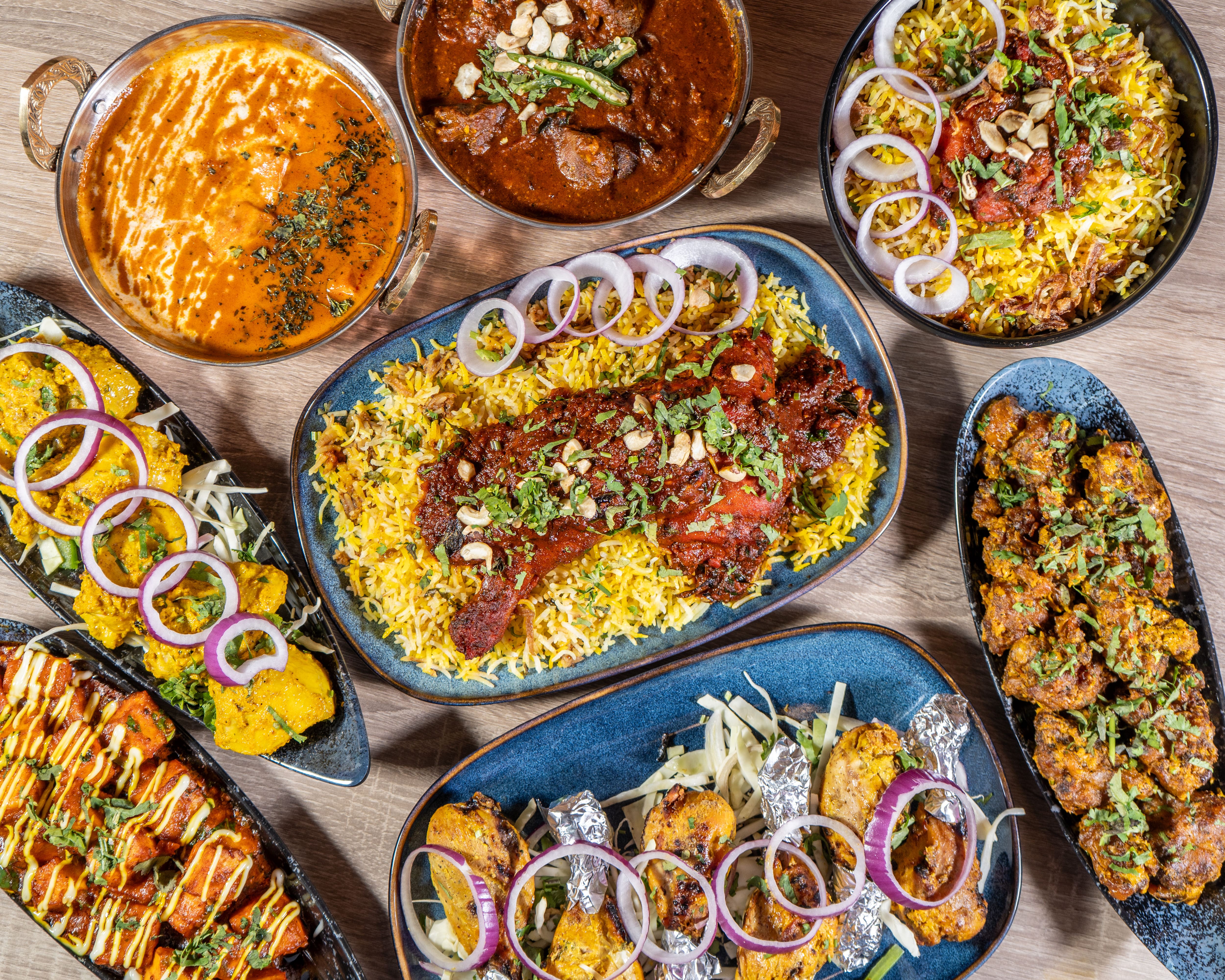
If you have ever stared at an Indian restaurant menu and wondered whether biryani and pulao are the same thing with different names, you are in good company. They both feature basmati rice, spices, and often meat or vegetables. They both smell incredible. And they both belong on your table.
But they are not the same dish.
The difference between biryani and pulao comes down to technique, layering, and depth of flavour. Understanding that difference will help you order with confidence — and appreciate why a proper dum biryani is something special.
At Biryani Flames in Toronto, we serve 55 unique varieties of biryani, each prepared using the traditional dum method, premium basmati rice, handcrafted spices, and pure desi ghee. Our kitchen is 100% halal certified. Here is what sets biryani apart from pulao, and why it matters.
What Is Biryani?
Biryani is a layered rice dish with roots in the royal kitchens of the Mughal Empire. The defining feature is the cooking method, not just the ingredients.
In authentic biryani, the rice and the main ingredient — meat, seafood, or vegetables — are prepared separately before being brought together. The rice is partially cooked. The protein is marinated and seasoned. Then they are layered in a sealed pot and slow-cooked over low heat using the dum method.
The pot is sealed, often with dough, so the steam stays inside. The rice finishes cooking in the steam and the aromas of the spices, marinade, and cooking juices below it. Nothing is stirred. The layers remain distinct. Each spoonful can taste slightly different — one bite brings cardamom and clove, the next delivers the richness of the protein, then the fragrance of saffron or herbs.
That layered, complex flavour profile is the hallmark of authentic biryani. It is patient cooking. It rewards attention. And it is the reason biryani is considered one of the crowning achievements of Indian cuisine.
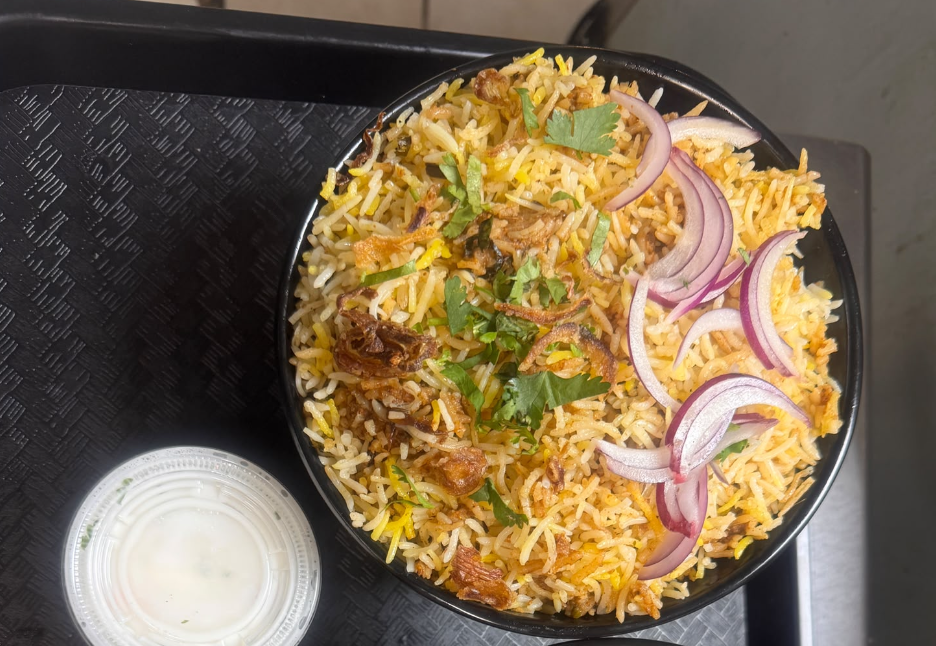
What Is Pulao?
Pulao (also called pilaf) is also a spiced rice dish, but the approach is simpler and faster. In pulao, the rice and the main ingredients are cooked together in a single pot from the start.
The spices are typically bloomed in oil or ghee first. Then the rice, protein, and liquid are added, and everything cooks together until the rice absorbs the broth. The result is a flavourful, comforting dish where the seasoning is evenly distributed throughout.
Pulao is delicious in its own right. It is lighter, quicker to prepare, and a staple of everyday home cooking across India and Central Asia. But because everything cooks together, the flavours are more uniform. There are no distinct layers. The texture of the rice tends to be softer and more integrated than in biryani.
The Key Differences at a Glance
| Feature | Biryani | Pulao |
| Cooking method | Layered, sealed pot, slow-cooked on dum | Single pot, cooked together |
| Flavour | Layered and complex — each bite can differ | Uniform seasoning throughout |
| Rice texture | Separate, fluffy, distinct grains | Softer, more integrated grains |
| Preparation | Rice and protein cooked separately, then layered | Rice and protein cooked together from the start |
| Cooking time | Longer, due to slow dum cooking | Shorter and more straightforward |
| Aroma | Intense and locked in by the sealed pot | Aromatic but lighter |
Why the Dum Method Makes Biryani Special
The sealed-pot dum technique is what truly separates biryani from pulao. When the pot is sealed, the steam cannot escape. It circulates inside, gently finishing the rice and carrying the aromas of the spices, marinade, and herbs through every layer.
This creates several results that pulao cannot replicate:
- Layered flavour. Because the rice and protein are layered rather than mixed, each spoonful offers a slightly different combination of tastes and textures. - Separate, fluffy grains. The gentle steam cooking keeps the basmati grains distinct rather than sticky or mushy. - Intense aroma. The sealed pot traps aromatic compounds that would otherwise escape, giving biryani its signature fragrance the moment the lid is lifted. - Tender protein. Slow cooking over low heat allows meat to become incredibly tender without drying out.
At Biryani Flames, every biryani on our menu is prepared this way. That commitment to the dum method is why our biryani tastes different from a quick, single-pot rice dish. Learn more in our comparison of dum biryani vs regular biryani.
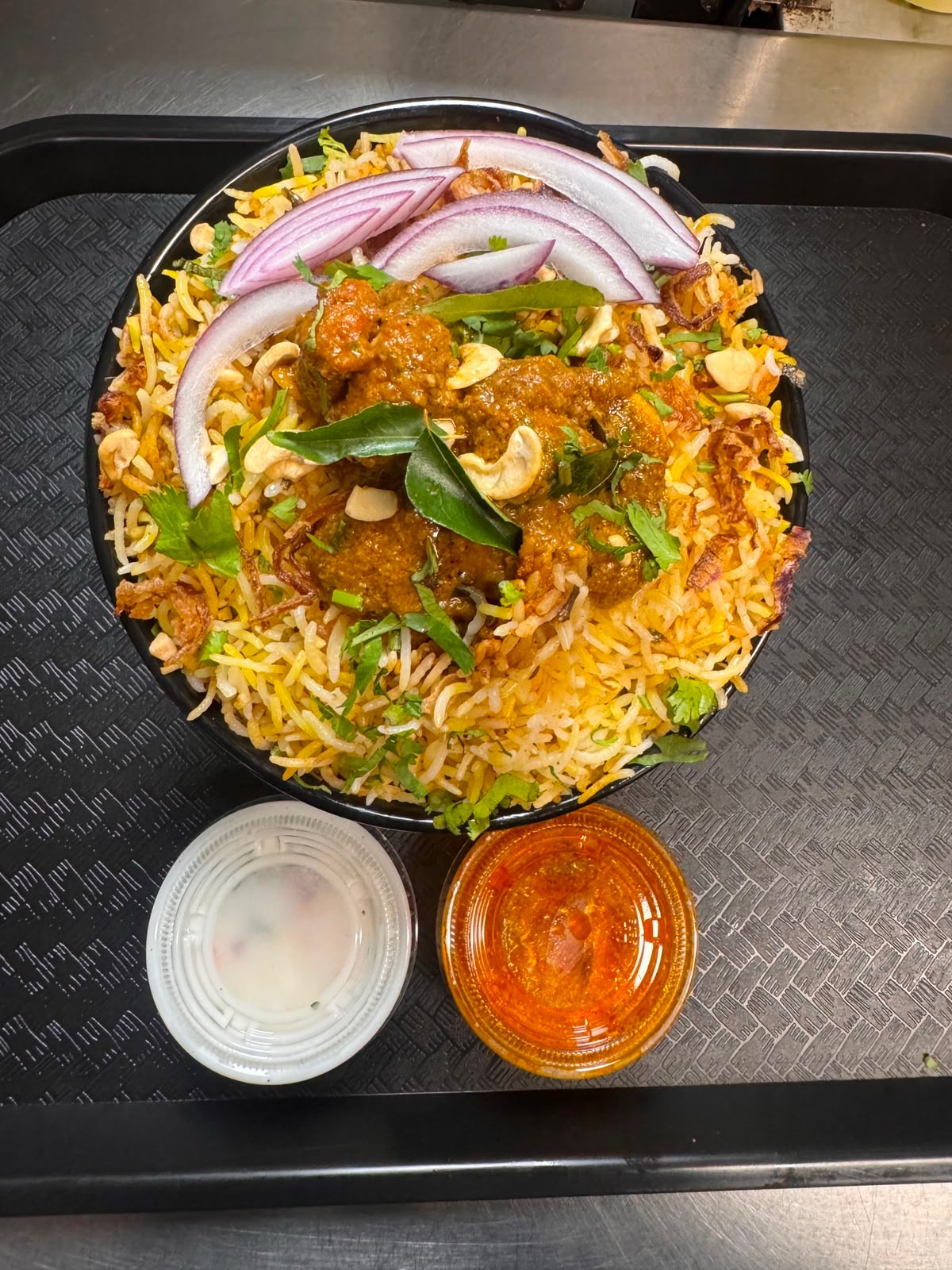
Which Should You Order?
Both biryani and pulao have their place. But if you are visiting Biryani Flames, biryani is the star of the show.
Choose biryani when you want a rich, layered, aromatic experience. It is the dish to order for a special meal, a celebration, or when you simply want the best version of what Indian rice cooking can be. Start with Chicken Dum Biryani or Mutton Dum Biryani for the classic experience. Explore Andhra-style or Mughlai varieties when you want to go further.
Choose pulao when you want something lighter and quicker. It is a wonderful everyday dish — comforting, flavourful, and satisfying. But it is a different experience from biryani, and the two should not be confused.
Does Biryani Always Use Meat?
No. Biryani can be made with chicken, mutton, prawns, fish, vegetables, paneer, jackfruit, soya chaap, eggs, and more. The defining feature is the cooking method, not the protein.
At Biryani Flames, vegetarian diners can explore a wide range of biryanis, including Garden Green Dum Biryani, Shahi Paneer Biryani, Kathal Biryani, and many more. Each is prepared with the same dum technique, premium basmati rice, and pure desi ghee. Read our vegetarian biryani guide for the full lineup.
Frequently Asked Questions
What is the main difference between biryani and pulao?
The main difference is the cooking method. Biryani is made by layering partially cooked rice and seasoned protein in a sealed pot, then slow-cooking on dum. Pulao is made by cooking rice and protein together in a single pot. Biryani has layered, complex flavours and separate grains; pulao has uniform seasoning and softer rice.
Is biryani healthier than pulao?
Neither is inherently healthier — it depends on the ingredients and portion size. Biryani tends to be richer due to the layered ghee, marinade, and slow cooking. Pulao is often lighter. At Biryani Flames, we also offer vegetarian and seafood biryanis for lighter options.
Why is biryani more expensive than pulao?
Biryani requires more time, technique, and ingredients. The dum method involves separate preparation of rice and protein, careful layering, and slow cooking in a sealed pot. That labour and attention is reflected in the quality and depth of flavour. Read more about what makes authentic Indian biryani different.
Where can I find authentic biryani in Toronto?
Biryani Flames at 1063 Bloor St W serves 55 varieties of authentic dum-cooked biryani, including chicken, mutton, prawns, vegetarian, Andhra-style, and Mughlai options. We are open daily from 11 AM to 1 AM. Visit our Bloor Street location page for directions.
Is Biryani Flames halal certified?
Yes. Biryani Flames is a 100% halal certified Indian restaurant. All of our meats are sourced from certified halal suppliers.
Taste the Difference at Biryani Flames
Biryani and pulao may share rice and spices, but they are fundamentally different dishes. Biryani is layered, slow-cooked, and aromatic. Pulao is simpler, quicker, and uniform. Both are delicious. Only one is the crown jewel of Indian rice cooking.
At Biryani Flames, we have built our entire menu around that crown jewel. With 55 varieties, pure desi ghee, premium basmati rice, and the traditional dum method, every plate is an invitation to taste the difference for yourself.
Explore the full menu, visit our Bloor Street location, or order online from Biryani Flames today. Come hungry. Biryani does not believe in half measures.
Planning a celebration? Visit our catering page for customizable biryani trays and group packages.
Topics covered in this article: