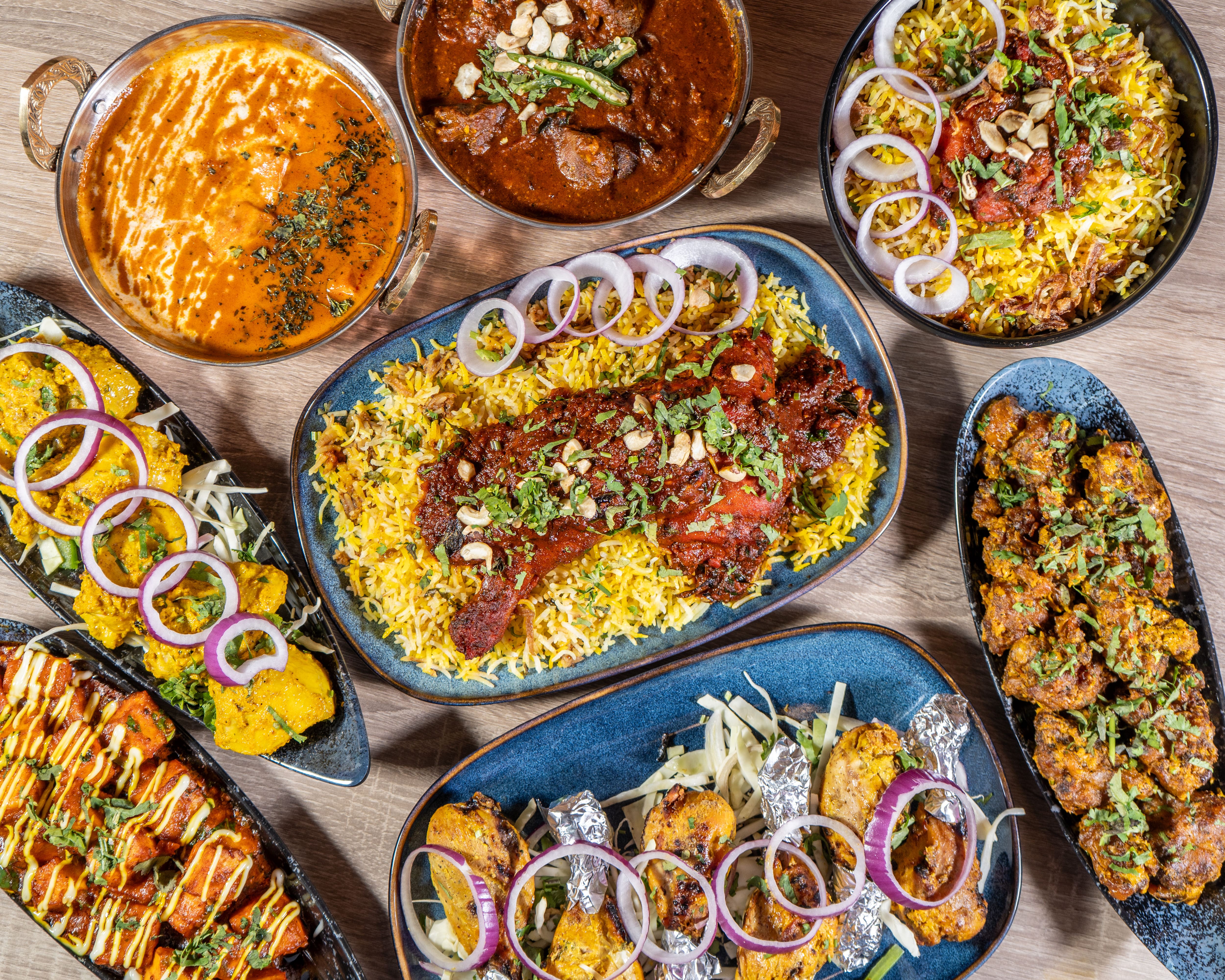
Biryani feels timeless. It is hard to imagine Indian cuisine without it. But biryani has a history — a long, layered one that crosses empires, trade routes, and centuries before arriving on your plate.
Understanding where biryani came from makes every bite more meaningful. It also explains why a single dish can have so many regional variations, from Hyderabadi to Andhra to Mughlai. At Biryani Flames in Toronto, we honour that history by serving 55 unique varieties of biryani, each cooked in pure desi ghee with premium basmati rice and the traditional dum method.
Here is the story of how biryani became the icon it is today.
The Persian Roots
Most food historians trace biryani's ancestry to Persia. The word "biryani" is widely believed to derive from the Persian word "birinj," meaning rice, or "beryan," meaning fried or roasted.
Persian pilaf — a dish of rice cooked with meat, spices, and broth — was a staple of Persian cuisine for centuries. When Persian cooks and traders travelled to the Indian subcontinent, they brought their rice-cooking traditions with them. The concept of layering rice with spiced meat and aromatics has clear Persian origins.
But pilaf is not biryani. The transformation from a simpler Persian rice dish to the elaborate, layered biryani we know today happened in India, under the influence of the Mughal Empire.
The Mughal Transformation
The Mughal Empire (1526–1857) was the turning point. The Mughals, who had Persian and Central Asian roots, brought their culinary traditions to India and merged them with local ingredients, spices, and techniques.
In the royal Mughal kitchens, chefs refined the Persian pilaf into something far more elaborate. They introduced the dum cooking method — sealing the pot to trap steam and slow-cook the layered rice and meat. They added Indian spices like cardamom, cloves, cinnamon, saffron, and bay leaves. They incorporated yogurt-based marinades, fried onions (birista), and ghee.
The result was a richer, more aromatic, more complex dish than its Persian ancestor. This was the birth of what we now call Mughlai biryani — the most luxurious and refined style of biryani.
The Mughal emperors were great patrons of cuisine, and biryani became a centerpiece of royal banquets. It was a dish designed to impress — showcasing both culinary skill and access to premium ingredients like saffron and aged basmati rice.
Regional Evolution Across India
As the Mughal Empire's influence spread, biryani travelled with it. But India is a vast country with distinct regional cuisines, and biryani adapted to each region it reached. This is why India has so many biryani styles today.
Hyderabadi Biryani
When the Mughal Empire declined, the Nizams of Hyderabad continued the biryani tradition. Hyderabadi biryani developed its own identity, famous for the kacchi method (raw meat layered with parboiled rice and cooked on dum) and the use of saffron, mint, and fried onions. It is aromatic and moderately spiced — a crowd-pleaser.
Andhra-Style Biryani
Andhra Pradesh, neighbouring Hyderabad, developed a bolder, spicier version. Andhra-style biryani uses generous red chilies, tamarind, and robust spice blends. It is the biryani for heat lovers — direct, fiery, and full of character.
Chettinad Biryani
From Tamil Nadu in South India, Chettinad biryani brings peppery, aromatic spice blends with star anise, fennel, and dry red chilies. It is complex and deeply flavourful.
Kolkata Biryani
Kolkata biryani evolved under the Nawabs of Bengal. It is lighter, more fragrant, and famously includes potatoes and boiled eggs alongside the meat — a distinctive regional touch.
Lucknowi (Awadhi) Biryani
Lucknowi biryani, from the Awadh region, is known for its delicate, refined flavours and the pukki method (meat and rice cooked separately before layering). It is milder and more aromatic than Hyderabadi biryani.
Each of these styles is a chapter in biryani's history. Together, they show how a single dish can evolve into dozens of distinct regional traditions.
The Role of Basmati Rice
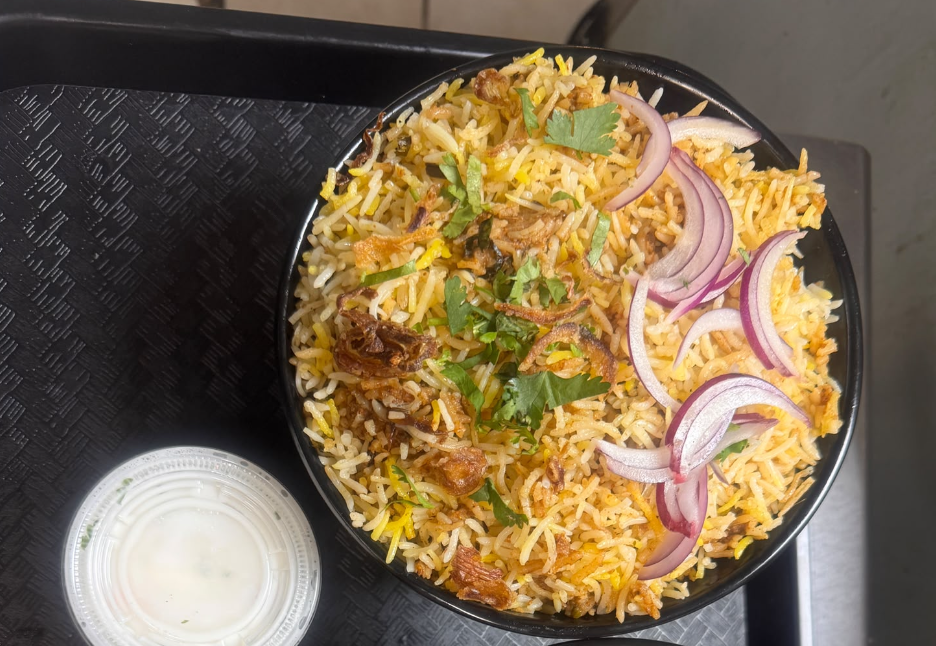
No discussion of biryani's history is complete without basmati rice. The long-grain, fragrant basmati grown in the foothills of the Himalayas became the foundation of biryani. Its ability to cook up separate, fluffy, and aromatic made it the perfect canvas for the layered dum method.
Aged basmati — typically aged for one to two years — has a lower moisture content, which allows each grain to remain distinct during slow cooking. This is why authentic biryani uses aged basmati rather than younger or shorter-grain rice. At Biryani Flames, we use premium aged basmati for every variety on our menu.
How Biryani Reached Toronto
Biryani's journey did not end in India. Through migration, trade, and the global spread of Indian cuisine, biryani travelled to nearly every corner of the world — including Toronto.
Toronto's Indian food scene has grown enormously, and biryani is one of the most searched-for dishes in the city. Today, diners can find Hyderabadi, Andhra, Mughlai, Chettinad, and fusion biryanis across Toronto's neighbourhoods. The city has become a place where biryani's many regional traditions coexist and continue to evolve.
At Biryani Flames on Bloor Street West, we bring that full history to one menu. Our 55 varieties represent the breadth of biryani's regional traditions — from classic Dum to fiery Andhra to rich Mughlai to creative Indo-Chinese fusion. Every biryani is prepared with the traditional dum method, premium basmati rice, handcrafted spices, and 100% halal-certified ingredients.
Why Biryani Endures
Biryani has survived empires, crossed continents, and adapted to countless regional kitchens. The reason is simple: it is an extraordinary dish. The combination of fragrant rice, layered spices, tender protein, and the patient dum cooking method creates an experience that no other rice dish can match.
It is also a dish that brings people together. Biryani is made for sharing — at family tables, at celebrations, at late-night gatherings. That social quality is part of its history too.
Frequently Asked Questions
Where did biryani originate?
Biryani traces its roots to Persian pilaf, but it evolved into its modern form in the royal kitchens of the Mughal Empire in India. The dum cooking method, Indian spices, and layered preparation that define biryani were developed during the Mughal era.
What does the word "biryani" mean?
The word is believed to come from the Persian "birinj" (rice) or "beryan" (fried or roasted). It reflects the dish's Persian origins before it was transformed in India.
How many types of biryani are there?
There are dozens of regional biryani styles across India, including Hyderabadi, Andhra, Mughlai, Chettinad, Kolkata, and Lucknowi. At Biryani Flames in Toronto, we serve 55 varieties inspired by these traditions.
Is biryani the same as pulao?
No. Biryani is layered and slow-cooked in a sealed pot using the dum method, creating complex, layered flavours. Pulao is cooked in a single pot with rice and protein together, resulting in more uniform seasoning. Read our full comparison of biryani vs pulao.
Where can I find authentic biryani in Toronto?
Biryani Flames at 1063 Bloor St W serves 55 varieties of authentic dum-cooked biryani. We are open daily from 11 AM to 1 AM. Visit our Bloor Street location page for directions.
Taste Biryani's History at Biryani Flames
Every plate of biryani carries centuries of culinary history — from Persian pilaf to Mughal royal kitchens to the regional traditions of India. At Biryani Flames, we honour that history with every variety we serve.
Explore the full menu, visit our Bloor Street location, or order online from Biryani Flames today. Taste the dish that crossed empires to reach your table.
Ordering for a group? Our catering services offer customizable biryani trays for events of any size.
Topics covered in this article: