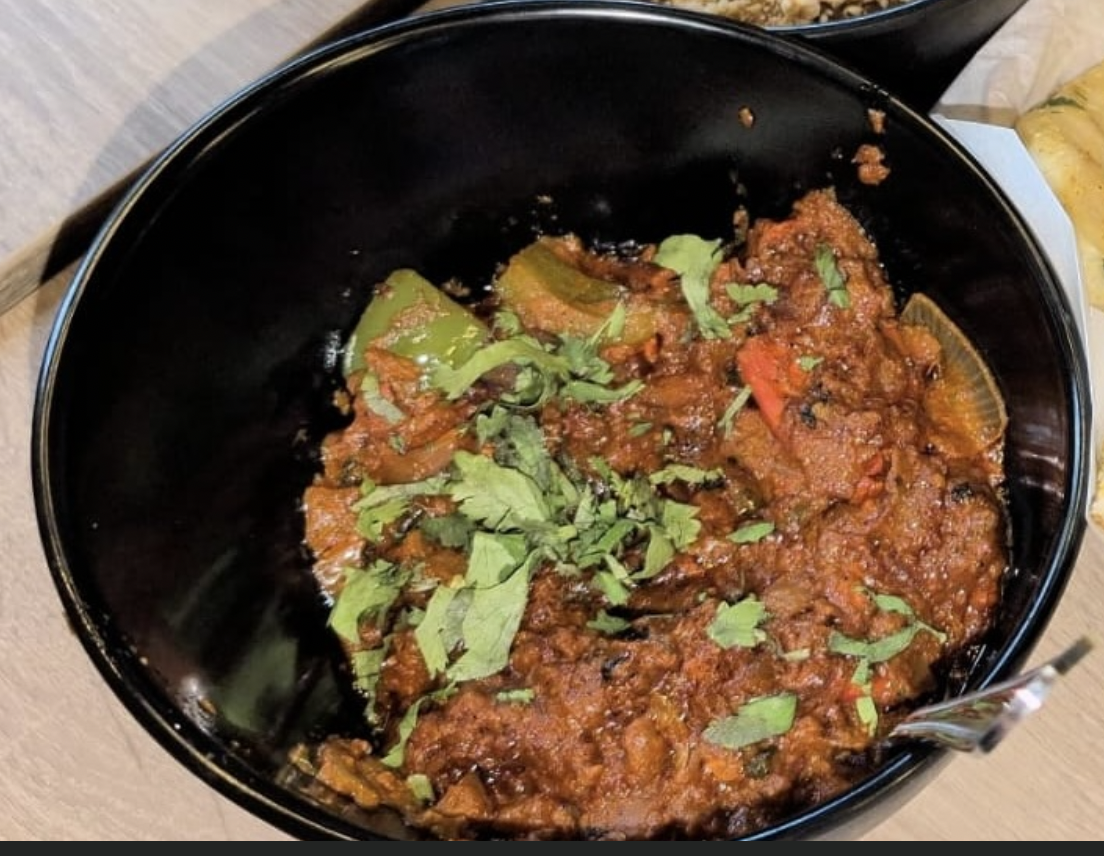
If you are new to Indian food, the menu can feel like a puzzle. Biryani, butter chicken, chicken tikka masala, curry — they are all Indian, they all sound delicious, but what is the actual difference? And which should you order?
Biryani and curry are two of the most popular categories of Indian food, but they are fundamentally different dishes with different cooking methods, textures, and roles in a meal. Understanding the difference helps you order with confidence and build a meal you will actually enjoy.
At Biryani Flames in Toronto, we specialize in biryani — 55 unique varieties, each cooked in pure desi ghee with premium basmati rice and the traditional dum method. But we also serve curries, because the two complement each other beautifully. Here is how biryani compares to curry.
What Is Biryani
Biryani is a layered rice dish. The rice and the main ingredient — meat, seafood, or vegetables — are prepared separately, then layered together in a sealed pot and slow-cooked over low heat using the dum method.
The key characteristics of biryani:
- Rice is the foundation — biryani is built around basmati rice. - Layered cooking — rice and protein are cooked separately, then layered and finished on dum. - Dry dish — biryani is not a wet, saucy dish. The rice and protein are distinct, with aromatics and spices layered throughout. - Complete meal in one dish — biryani is a full meal on its own, with rice, protein, and spices all together. - Aromatic and complex — the sealed-pot dum cooking creates layered, fragrant flavours.
Biryani is a main course, a celebration dish, and a complete meal. You do not need rice on the side — the rice is the dish. Read our beginner's guide to biryani for more.
What Is Curry
"Curry" is a broad term that, in Indian cuisine, refers to dishes with a gravy or sauce. Curries are made by cooking meat, vegetables, or paneer in a spiced sauce — typically built from onions, tomatoes, yogurt, cream, and a blend of spices.
The key characteristics of curry:
- Sauce-based — curries are wet dishes with a gravy. - Cooked in a single pot — the protein and sauce cook together. - Served with rice or bread — curry needs a carbohydrate to soak up the sauce. It is not a complete meal on its own. - Wide variety — there are hundreds of curry varieties, from mild and creamy to fiery and bold. - Versatile — curries can be made with any protein, vegetable, or paneer.
Curry is a category, not a single dish. Butter chicken, chicken tikka masala, dal makhani, and kadai chicken are all curries — each with its own flavour profile.
Biryani vs Butter Chicken
Butter chicken is one of the most popular curries in the world. Here is how it compares to biryani:
- Format — biryani is a dry, layered rice dish; butter chicken is a wet, saucy curry. - Role — biryani is a complete meal; butter chicken is a curry that needs rice or naan to accompany it. - Flavour — biryani is aromatic and spiced with whole spices; butter chicken is creamy, tomato-based, and mildly sweet. - Cooking — biryani uses the dum method; butter chicken is simmered in a creamy tomato sauce. - Protein — both often feature chicken, but the preparation is completely different.
Butter chicken is rich, creamy, and comforting — a great choice for diners who prefer mild, saucy dishes. Biryani is aromatic, layered, and complex — a great choice for diners who want a complete, fragrant meal.
Biryani vs Chicken Tikka Masala
Chicken tikka masala is another beloved curry. It is similar to butter chicken but with a different flavour profile:
- Format — biryani is a dry rice dish; tikka masala is a wet curry. - Flavour — biryani is aromatic with whole spices; tikka masala is tomato-based, spicier than butter chicken, with a smoky note from the tandoor-grilled chicken. - Protein preparation — in tikka masala, the chicken is first grilled in a tandoor (chicken tikka), then simmered in the masala sauce. In biryani, the chicken is marinated and slow-cooked with the rice. - Role — biryani is a complete meal; tikka masala needs rice or naan.
Tikka masala is bolder and smokier than butter chicken, with a more pronounced tomato and spice flavour. It is a great choice for diners who want a flavourful curry with a smoky edge.
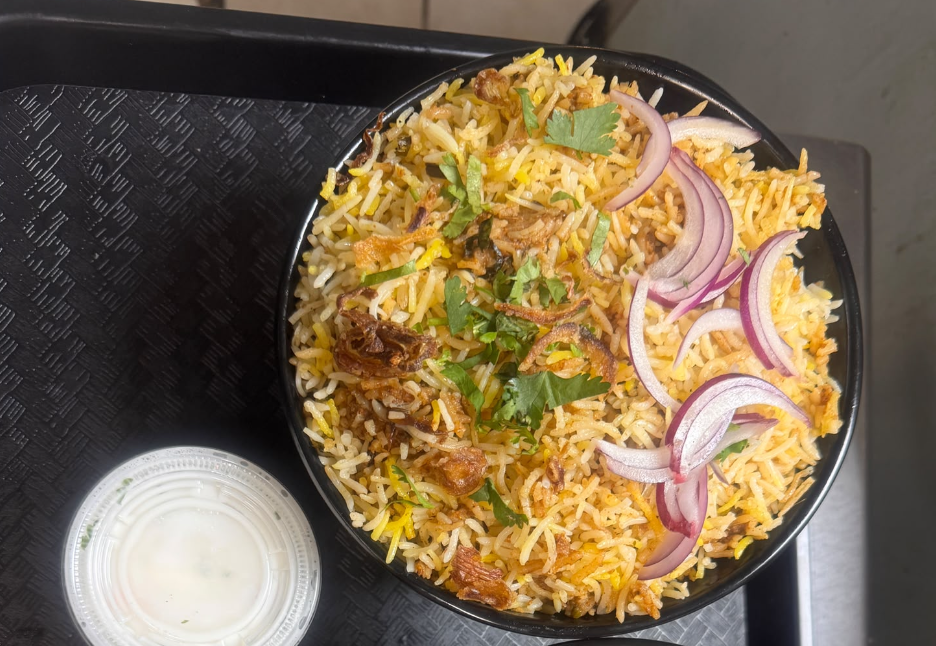
Can You Order Both
Absolutely — and many diners do. Biryani and curry complement each other beautifully. A common approach is to order a biryani as the main dish and a curry to share alongside it. The biryani provides the fragrant rice and layered spices; the curry provides a saucy, contrasting flavour.
Good pairings include:
- Chicken Dum Biryani + Butter Chicken — the classic combination. Aromatic biryani with a creamy, comforting curry. - Mutton Dum Biryani + Dal Makhani — rich biryani with creamy lentils. - Prawns Biryani + Chicken Tikka Masala — light biryani with a smoky, bold curry. - Garden Green Dum Biryani + Kadai Chicken — vegetarian biryani with a spicy curry for the meat-eaters.
Add raita, naan, and a dessert, and you have a complete Indian feast. Read our pairing guide for more.
Which Should You Choose
The choice depends on what you are craving:
- Choose biryani when you want a complete, aromatic, layered meal in one dish. It is the choice for a special meal or when you want the full Indian rice experience. - Choose butter chicken when you want something creamy, mild, and comforting. It is the most approachable curry and a great choice for first-timers. - Choose chicken tikka masala when you want a bolder, smokier, spicier curry. It is for diners who want more flavour intensity than butter chicken.
All three are delicious. They simply serve different purposes and satisfy different cravings.
Frequently Asked Questions
Is biryani a curry?
No. Biryani is a layered rice dish, not a curry. Curries are sauce-based dishes served with rice or bread. Biryani is a dry dish where the rice is the foundation, cooked with layered protein and spices using the dum method.
What is the difference between biryani and butter chicken?
Biryani is a dry, layered rice dish cooked with the dum method. Butter chicken is a creamy, tomato-based curry. Biryani is a complete meal; butter chicken needs rice or naan to accompany it. They have different cooking methods, textures, and flavour profiles.
Can I order biryani and curry together?
Yes. Biryani and curry complement each other well. A common approach is to order biryani as the main dish and a curry to share alongside it. Add raita and naan for a complete meal.
Which is spicier: biryani or curry?
It depends on the specific dish. Mild biryanis like Mughlai are less spicy than a kadai chicken curry. Spicy biryanis like Andhra-style can be hotter than a mild butter chicken. Both biryani and curry span the full range of spice levels.
Where can I order biryani and curry in Toronto?
Biryani Flames at 1063 Bloor St W serves 55 varieties of biryani alongside curries like butter chicken, chicken tikka masala, and dal makhani. We are open daily from 11 AM to 1 AM.
Enjoy the Best of Both at Biryani Flames
Biryani and curry are both pillars of Indian cuisine — and they are even better together. At Biryani Flames, we serve both, so you can build the perfect meal.
Explore the full menu, visit our Bloor Street location, or order online from Biryani Flames today. Whether you choose biryani, curry, or both, you are in for a great meal.
Hosting a party or corporate event? Explore our Indian catering options for biryani trays, curries, and sides.
Topics covered in this article: